
Around 6 months ago, I began writing articles for my local magazine. I was asked whether I’d be interested in contributing an article each quarter on the topic of sustainability & the environment from a fresh perspective. Having made eco-conscious changes in my own life over the past few years, this was an offer that compelled both my loves, writing & the environment.
Sustainability is often portrayed as a mountainous feat, a problem too vast to solve quickly & inaccessible to the likes of you and me. Leave it to the governments, the experts, the people who know what they’re talking about…what are we meant to do about it? The problem is, sustainability is a hefty subject & is rarely presented to us using accessible language and realistic means – it’s all a little bit overwhelming. So let’s be realistic. Being sustainable is not going to happen overnight, nor is it likely to take place within your lifetime, but making sustainable choices is something we can all start doing today – you’ll be surprised how far a little change can go.
When I set out to write my first article, I wanted to break down sustainability into smaller, more manageable chunks, in a way that was relevant to the everyday lives of people like you and me. It made sense to open this dialogue from the beginning of my own sustainable journey, which was kickstarted by my love for fashion. Coupled with the prevalence of wardrobe clear outs, which helped many pass time over countless lockdowns, it seemed a topical place to start. So, without further ado, I would like to formally introduce my first published (slightly modified) article: ‘Timeless Wear or Trend and Tear’.
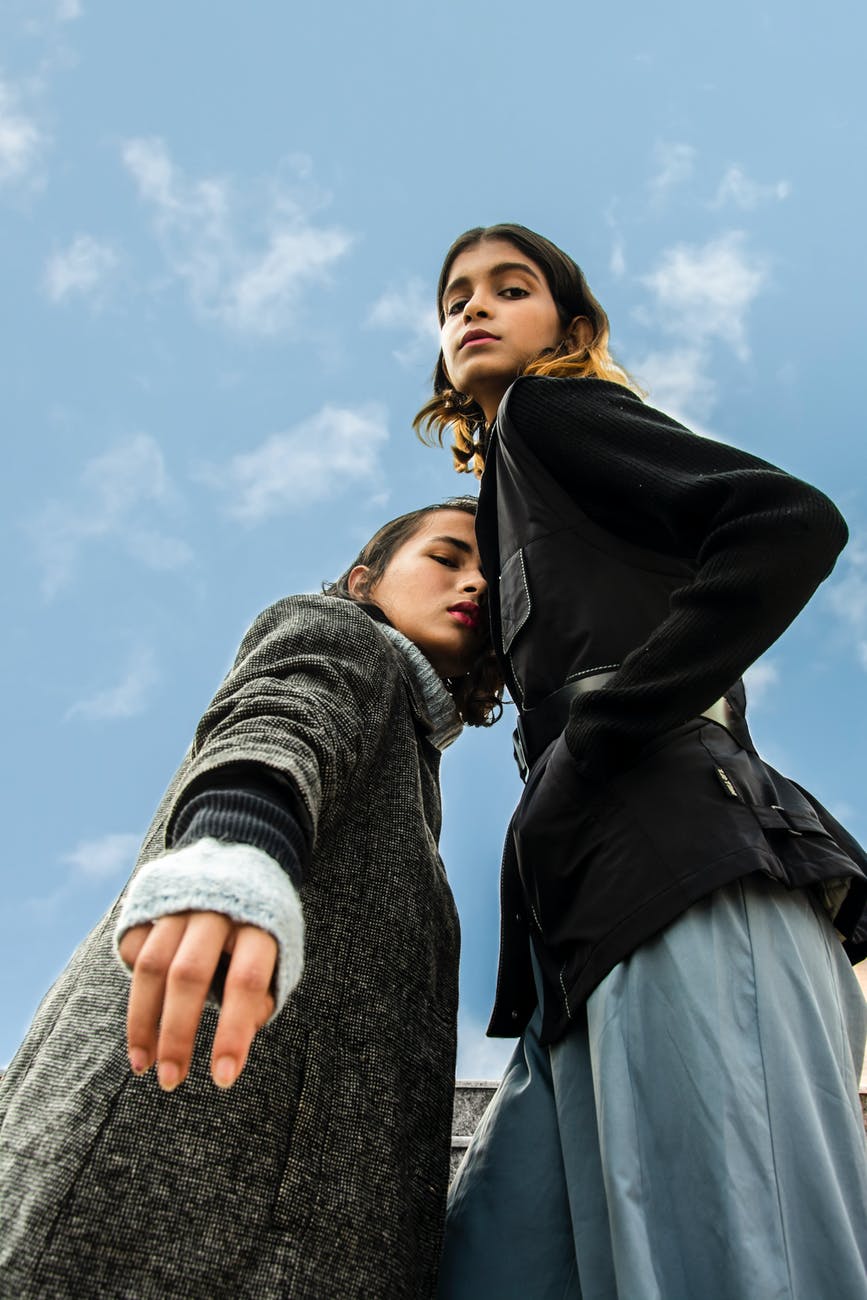
Timeless Wear or Trend and Tear?
I think it is safe to say that we have all fallen victim to fashion trends at one point or another — from low rise jeans and diamanté crusted clutches, to minimalist white shirts, sweater vests and knee high boots. It’s exhausting trying to keep up with it all, and we aren’t the only ones suffering the consequences.
Unsurprisingly, the excessive consumption of clothing is taking it’s toll, with around 4-10% of annual greenhouse emissions owing to the fashion industry alone. Purchasing that gorgeous new top may seem like a necessary decision at the time, but how often do you stop and question Who Made This and How Did it Get Here? The disheartening reality is that most of our beloved high-street brands are not as sustainable as they may appear — from underpaid manufacturers, needless wastage, chemical pollutants, transport emissions, excess packaging and so on, the dark side of fashion is far more prevalent than what is immediately perceivable. Despite the increasing pressure on fashion retailers to develop sustainable initiatives, there is still a long way to go — but thankfully, we can start making a difference today.
So what can we do?
Identify which brands to avoid — there are plenty of online forums and websites available, informing us which brands are/are not taking sustainable action. Good On You is a brilliant app, rating and comparing brands in light of sustainability — to my own surprise, Urban Outfitters didn’t make the cut (despite their renewal and vintage gimmicks) and don’t get me started on the likes of Boohoo and Shein. One of the clearest red flags is a company’s own website — if they fail to mention their sustainability initiatives, that’s probably because they don’t have any.
Alternatively, support and invest in ethical fashion companies — there are hundreds of UK brands who are already at the forefront of eco-friendly, cruelty free fashion. Some examples include: adkn.co.uk, www.carewears.co.uk, ALIGNE, Thread, BEEN London, and Mother of Pearl. You’ll be amazed by how many incredible & innovative companies you can find through the click of a button – I recently discovered a company called Nurdle, specialising in sustainably sourced phone cases. Each case is completely unique and moulded from plastic pollution collected from UK beaches, imprinted with the exact coordinates of where your case has come from. When you upgrade your phone, Nurdle offer discounts on your next case if you return unwanted cases for recycling. From the clothes we wear right down to the way we accessorise our tech, shopping sustainably is a lot more diverse & obtainable than you may have previously imagined.
Invest in vintage & second-hand clothing
According to the Clean Up Camo initiative, on average, a single individual increases their wardrobe by 60% every year — so where is it coming from and where is it ending up? Whilst on occasion, discarding stained, torn, irrecoverable clothing is an unavoidable predicament, there is plenty we can do to save items which still have life in them yet. Apps such as Vinted, Depop, Vestaire, https://thrift.plus, beyondretro.com and up-cycled retailers such as WeAreCow, are just few examples of where you can upload, resell and purchase second hand clothing.
These companies favour circular fashion models, whereby waste is avoided by pro-longing the life of unwanted items. And did I mention the benefits this may have for you? Your favourite brands at lower costs, unique pieces you won’t find anywhere else AND, to top it all off, additional income for clothes that would have ended up in landfill. I converted to second-hand retail about a year and a half ago and haven’t regretted it since. One of my favourite things to do is head into my local town and scour the charity shops – flicking through the rails is far more interesting when you don’t know what hidden gems you may stumble upon, and even better yet, you’ll be supporting a brilliant cause.
Some old-label brands to look out for: Karen Millen, Kookai, Jigsaw, Miss Sixty and Morgan. Some of my personal favourites include Diesel, Cop Copine, Plein Sud, DKNY & vintage Lacroix. Clothes don’t have to be new to be trendy, and you’ll actually find that vintage items tend to be of far better quality — no more squeaky pleather trench coats and poorly stitched latex. Start raiding your parent’s closets and dress in clothing from the 90’s rather than overpriced fast-fashion dupes.
 Calendar Girl