
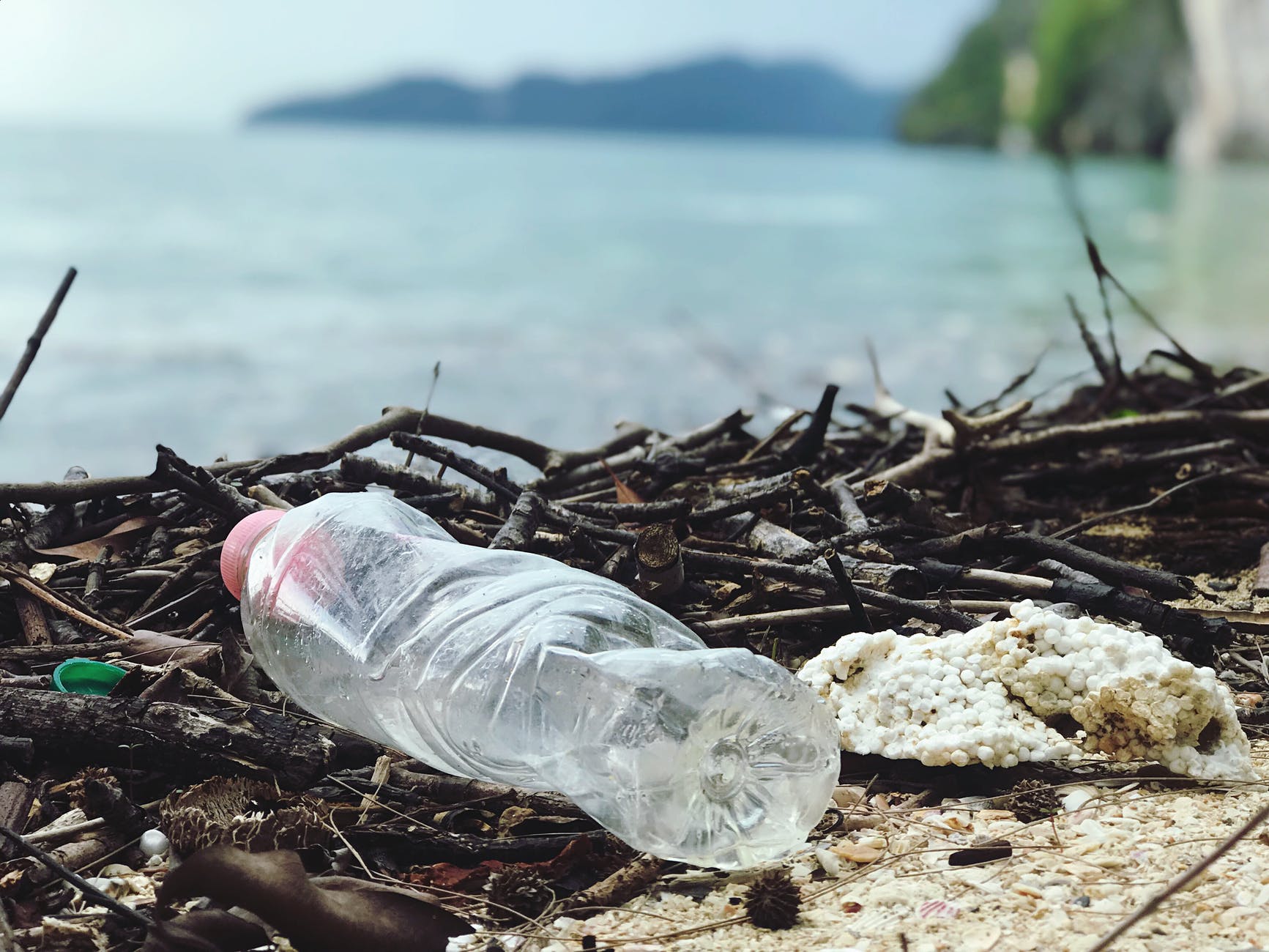
Plastic — it is the material we are all struggling to live with, but seemingly cannot live without. It invades every aspect of our day to day lives, from the nylon fibres that thread our clothing to the packaging that stores our weekly shopping. And despite our efforts to combat this crisis, only a mere 9% of the 370,000,000 tonnes of plastic are successfully recycled each year.
A few months ago, I attended The Blue Paradox exhibition in London — for every visitor, sponsors financed ocean protection, totalling to 22,837 square kilometres in just thirteen days. But this is only a minor dent in a far larger problem. In fact, as you read this article, hundreds and thousands of grams of plastic are entering our oceans and harming our wildlife. This mind-blowing immersive experience left me in disbelief, encouraging me to reflect on my own contribution to this crisis. Shockingly, on average, every UK adult contributes 150 plastic bottles, 240 cutlery items, 215 plastic wrappers and 78 food containers of wastage annually— and if you don’t think that sounds too bad, multiply that by the population and consider these statistics globally.
— Yes, it’s pretty terrifying.
Facts and figures sourced from the Blue Paradox exhibition 2021
So What Can We Do?
As I set out to write my February contribution to the Kingswood Village Voice magazine, I wanted to share my experience from the Blue Paradox. The exhibition paired art with education, enlightening visitors through a fun, creative and accessible medium. However, I couldn’t help but leave feeling slightly overwhelmed – if it turns out that the items we recycle aren’t always recyclable, then how much do we really know about our plastic footprint & what can we do to make a productive difference?
So I’ve done some research so that you don’t have to, and have put together a short beginner’s guide to battling pollution – if enough people make little changes to their daily plastic habits, we can make a big difference together.
- Limit Plastic Consumption
Let’s begin with the basics — if you buy less, you waste less. Make a conscious effort to bring your reusable shopping bags to the store, to make lunch the evening before over opting for meal deals, to invest in reusable water bottles, coffee flasks and so on. Single-use plastic totals 50% of the 300 million tonnes of plastic waste produced every year — so let’s act now.
2. Don’t be a Litterbug
Granted, recycling waste isn’t always that easy, and on occasion, it isn’t even possible. But discarding doggy bags in the bushes, chucking litter out of your car or choosing not to chase after that windswept crisp packet, is having a detrimental effect on our planet. And there’s a team of local litter pickers who are clearing up after these lazy litterers. I’ve accompanied my mum on multiple occasions as she tidies up the neighbourhood – from tin cans to car tyres, sex toys and more, it’s amazing how much you can find without even scratching the surface.
3. Work Alongside Local Businesses
According to Accenture’s Sustainable Organisation report, 74% of consumers are more likely to choose a brand with ethical values and practices. As a community, it is vital that we support and encourage sustainable action — avoid driving to mass production superstores and take a stroll down into the village. To the local businesses and independent shops who are already taking steps towards a sustainable future, make sure to publish your efforts and encourage others to make similar choices.
4. Get Crafty & Creative
It is just as important to get kids involved in the battle against pollution. Environment and sustainability is taught sparingly within the curriculum, so let’s not leave it to the schools alone! Bottle caps, milk cartons, plastic yogurt cups and more — there are so many fun and imaginative ways to get thrifty with plastic, and inspire children to continue to take care of the planet for years to come.
I worked within a primary school for around a year during 2020-2021 and was blown away by the intense love and affection that children inherently have for the planet. Many of my pupils felt that they rarely had the opportunity to do anything about pollution & wanted to get more involved. I asked them to consider the environmental impact of having fish fingers for dinner and was met by a sea of hands – without any prompt, the children produced ideas surrounding transport emissions, packaging, fish feed & more. It’s important to nurture good habits early, but it doesn’t have to be boring – head outside and see what you can find, who knows, they may even create something amazing!
5. Get Involved
Finally, get involved – take action in your local communities & help to inspire others to get involved too. There are a variety of difference ways you can start making a difference within your local area, and here’s a couple of examples to name but a few:
- Terracycle: This nation-wide recycling initiative is not as widely renowned as it should be. Despite many of us recycling crisp wrappers and packets in our household bins, this waste is unfortunately destined to landfill unless sent away for refined recycling. Fortunately, you can take a range of items from bread bags to toothpaste tubes to a Terracycle drop-off points. There are lots of wonderful volunteers already taking part across the country, sending back waste that is deposited in Terracycle bins to be recycled properly. Look up whether there is a drop off point in your local area, and if not, then why not enquire about setting one up!
- Litter Picking: Another option is get involved with local litter picking groups – you’ll be amazed at how many of your communal neighbours have been picking up litter for years, if you didn’t know already. Check out whether there is a local group you can join, or otherwise contact your local council, who are happy to provide equipment and purple bags – fill a bag and let the council know where you’ve left it & they’ll swing by and collect it as soon as they can.
Changing our polluting patterns is not an easy task, but let’s start making those little steps to educate, evolve and become totally eco-friendly.
 Calendar Girl