
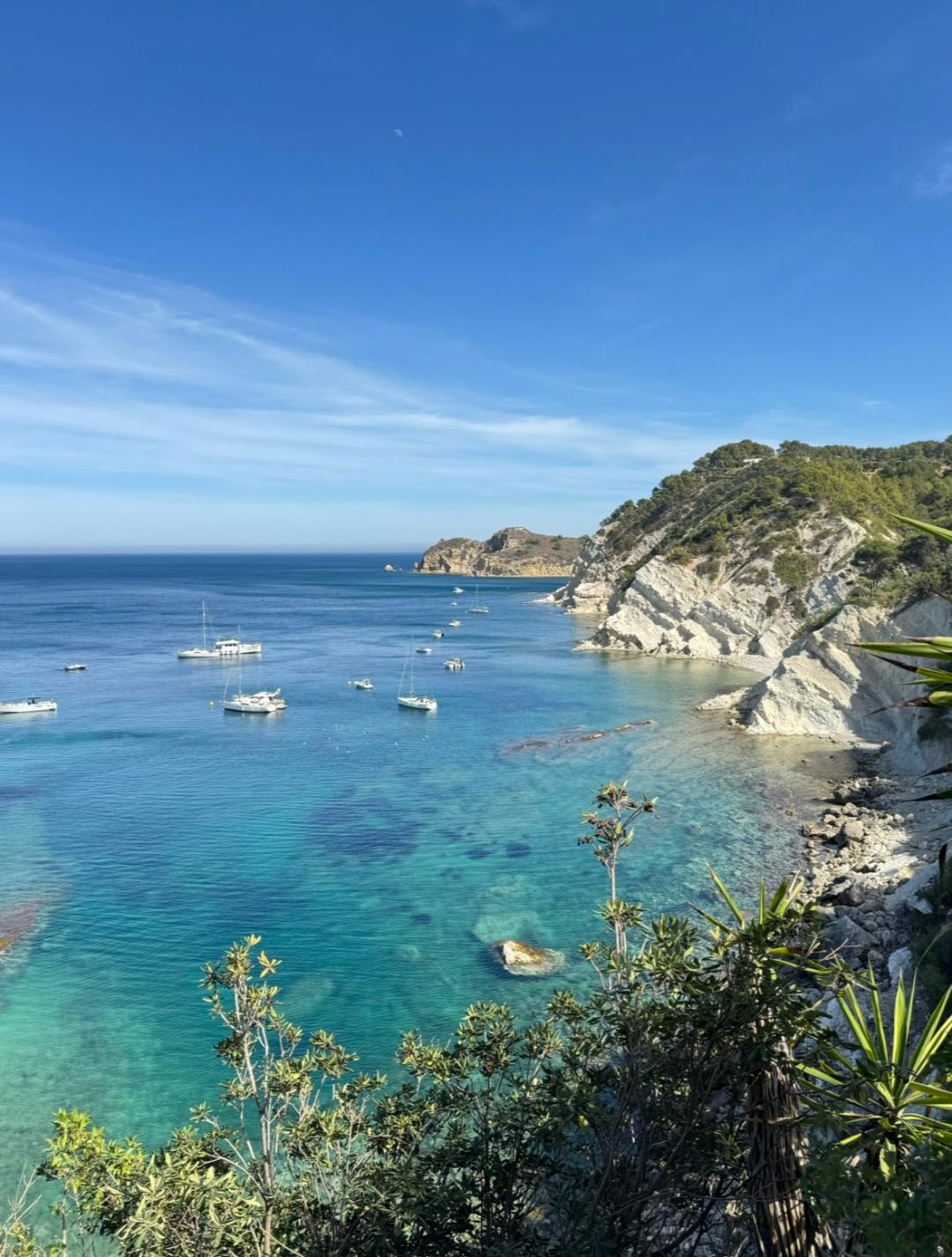
Jávea explored this beautiful town in Spain?
Located just a short drive from Benidorm in the province of Alicante, Jávea (also known as Xàbia in Valencia) might be assumed to be a party neighbourhood, much like its sitcom-famous neighbour. However, upon arriving in this small coastal region, I quickly realised that this wasn’t the case. This enchanting and medieval town is a treasure trove of beauty, with its pristine beaches, hidden coves, and historic old town centre. Reigned over by the impressive elephant-shaped stature of the Montgó mountain, the district of Jávea withholds copious natural beauty and awe. It’s a town not to be overlooked on your Spanish travels!
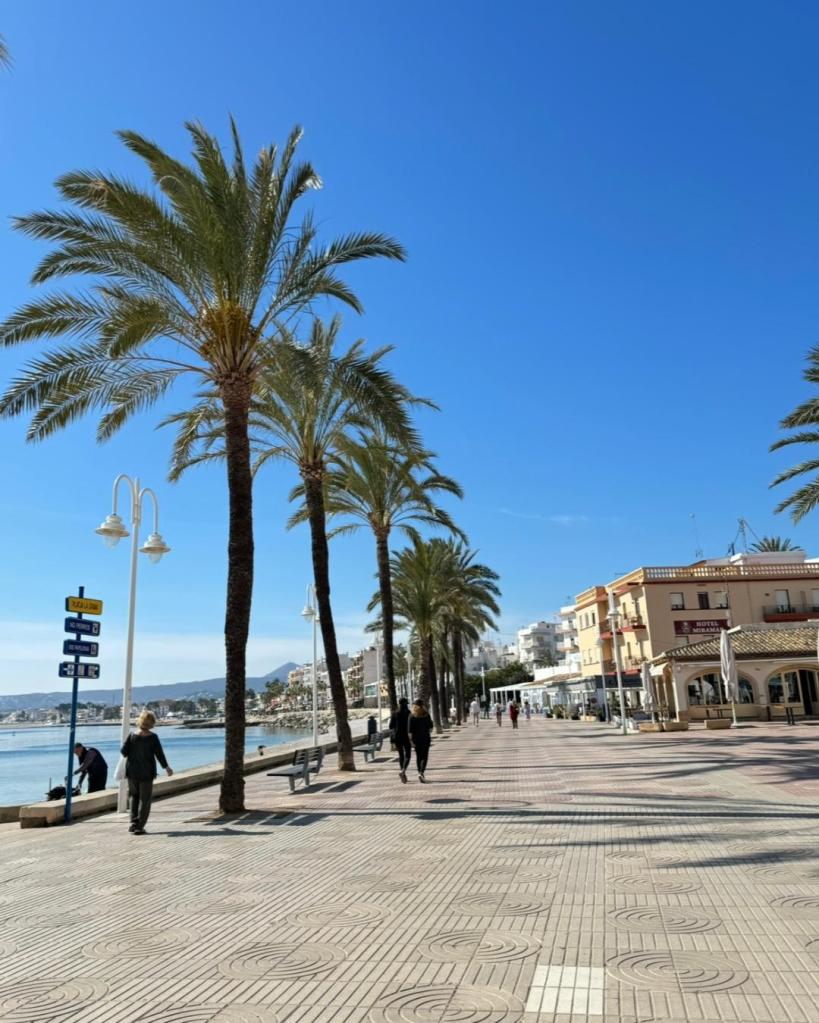
Combining the old and the new, Jávea offers the best of both worlds. From scenic hikes to secluded bays, to evening cocktails along the Paseo Amanecer, the town is a true gem. But beyond its aesthetic lure, Jávea is a region steeped in rich history, tradition, and culture. During my stay, I was fortunate enough to experience the regional holiday of Fallas, a festival which takes place on the 19th of March. This unique tradition celebrates the coming of Spring, originating from the old carpenter’s tradition of burning papier-mâché ornaments to welcome the new season. Over time, this modest tradition has grown in extravagance, boasting decadent sculptures that adorn the streets of Valencia and the nearby towns.
During my three-day exploration of Jávea, I delved into the town’s offerings with a meticulously planned itinerary courtesy of my friend Sarah, a local resident. Our long weekend was filled with leisurely strolls along the beach, delectable Spanish cuisine, and embarking on a day trip to a vibrant nearby town. To help you make the most of your visit, I’ve crafted a comprehensive three-day itinerary to provide insight and inspiration for your own travels.
What do you need to know beforehand?
- When to visit: The peak season, occurring between June and July, boasts the highest temperatures and sees all restaurants, cafes, bars, and hotels open for business, in contrast to the quieter winter period. For a less crowded and more active holiday focused on hiking, consider visiting during the early autumn and spring months, which offer cooler and more peaceful surroundings.
- Length of stay: Jávea is not only a stunning beach destination but also provides convenient access to the nearby cities of Alicante and Valencia, which are often explored in parallel. If you are solely exploring the Jávea region, 3-5 days is plenty. However, if you want to broaden your scope, I’d recommend accounting for a longer stay!
- Foodie favourites: Jávea is renowned for a range of well-known Spanish dishes and lesser known regional delicacies. Being located on the coast, the popularity of seafood dishes comes as no surprise, especially in Dénia, a large fishing port. Among Jávea’s foodie favourites are the famous Paella, Arroz Negro (black rice), and Gamba roja (red prawns). Additionally, you can savour other delicacies such as Cocas, a sourdough bread with sweet or savoury toppings, Esgarrat, a roasted vegetable and cod dish, cruet de peix, fish stew, and fresh sea urchins.
- Getting around: To make the most of your trip and explore the surrounding towns and beaches, I highly recommend renting a car for the flexibility it offers. However, if driving is not an option, don’t worry! If you’re flying into Alicante airport, you can take advantage of the Beniconnect pre-bookable bus service for a reasonable fare of €50 round trip. This service will drop you off at the nearest location to your accommodation, but make sure to book at least 48 hours in advance. While taxis are available, Uber is not. Within the town, most places are within walking distance, or you can opt to rent an electric scooter for easier mobility.
- Notable events: Jávea boasts a rich cultural heritage, making it well worth planning your holiday around some of its most famous fiestas and holidays. The Virgen de Loreto Fiesta Day is one of the most exciting days in the calendar year, taking place on September 8th in the port. Complete with fireworks, bull running, music, and parades, this lively celebration marks the end of the summer. Another remarkable event is the Fallas festival on March 19th, which, though more closely tied to Valencia, is prominently celebrated in Dénia. Here, you can experience parades, fireworks, and the burning of papier-mâché sculptures! However, the biggest celebration in Jávea is the Fogueres de Sant Joan, held between June 14th to 24th. This festival features bonfires to protect from evil spirits, fireworks lighting up the streets, music filling the evenings, as well as various parades and competitions throughout the week.
Your Three-Day Itinerary
Day 1 – Explore the Port & the Historic Old Town Centre
On the first day, you have three commuting options: walking, using an electric scooter, or taking a taxi, depending on the weather and your energy levels. Personally, I enjoyed walking as it allowed me to truly experience the surrounding area. I strolled alongside the beach, meandered through quaint side streets, and weaved between the charming cafes and restaurants, reaching both the port and Old Town in just under 2 hours each way from Paseo Amanecer.
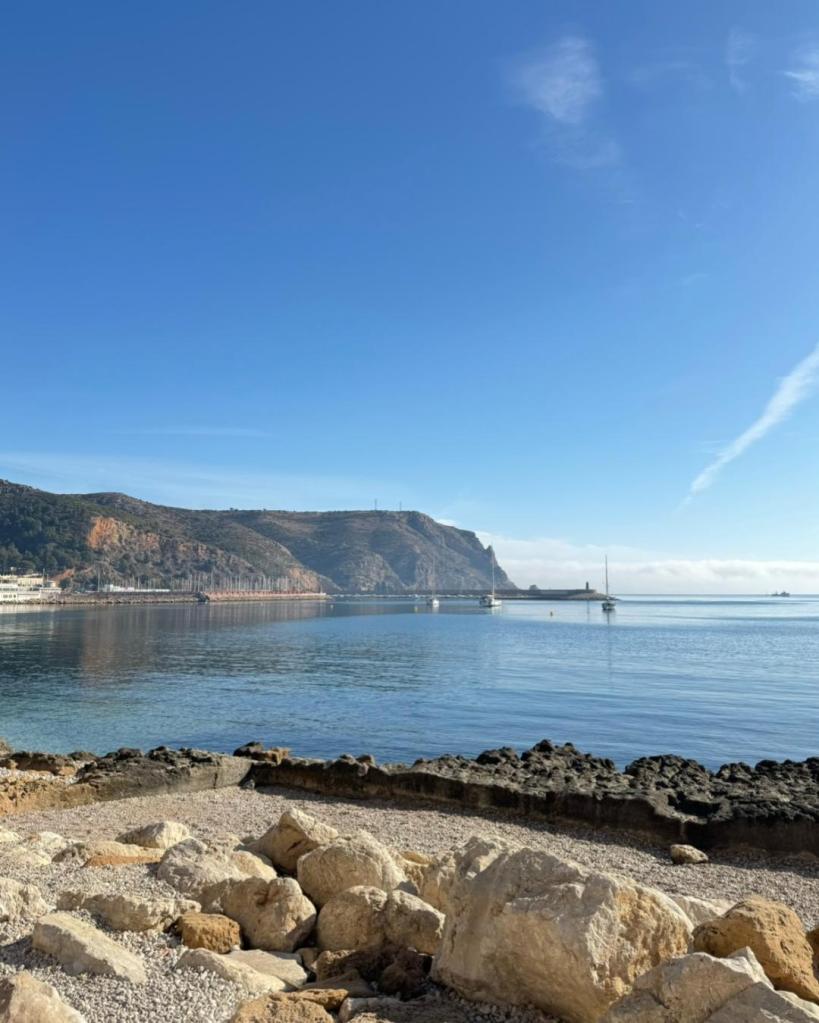
If you’re an early riser, I’d recommend heading to the port for a sunrise experience at La Grava. You can watch the sun awaken from the rocky shores before indulging in a delicious breakfast and a refreshing smoothie at Cala Bandida. With its glass-fronted terrace and stunning sea views, Cala Bandida is perfect for bringing a book and unwinding in the golden morning light. Additionally, La Grava is a fantastic area for enjoying evening drinks, tapas, or a morning coffee, with numerous options scattered throughout its charming streets.
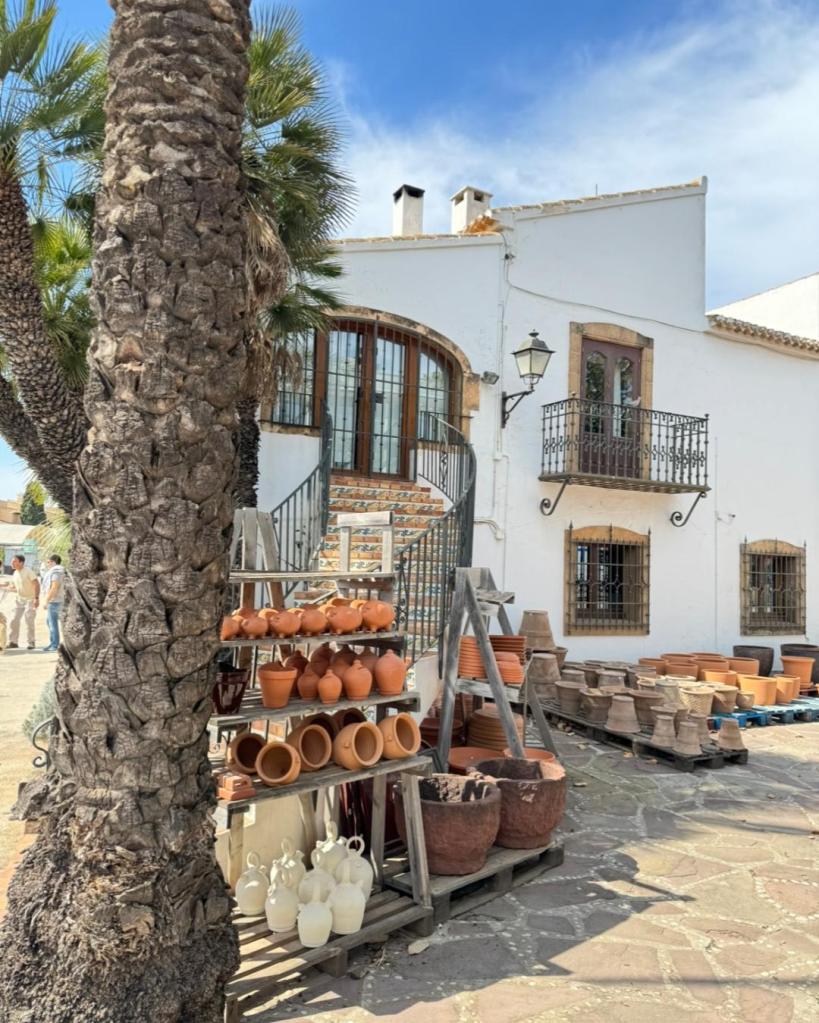
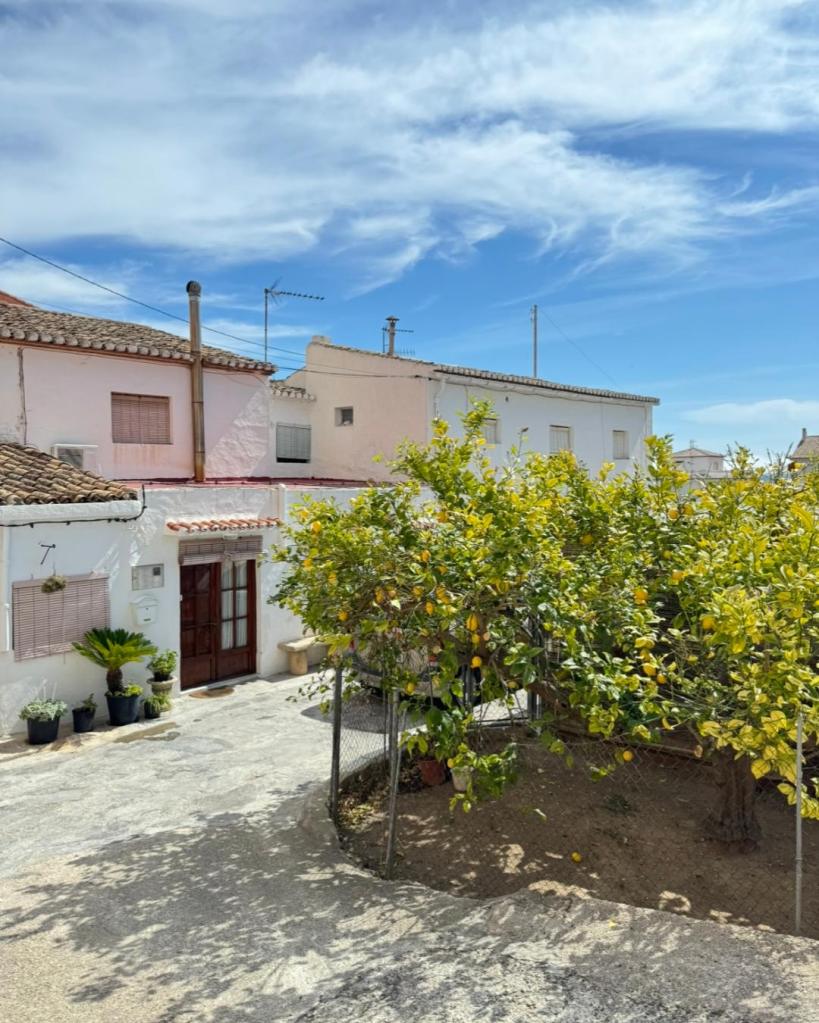
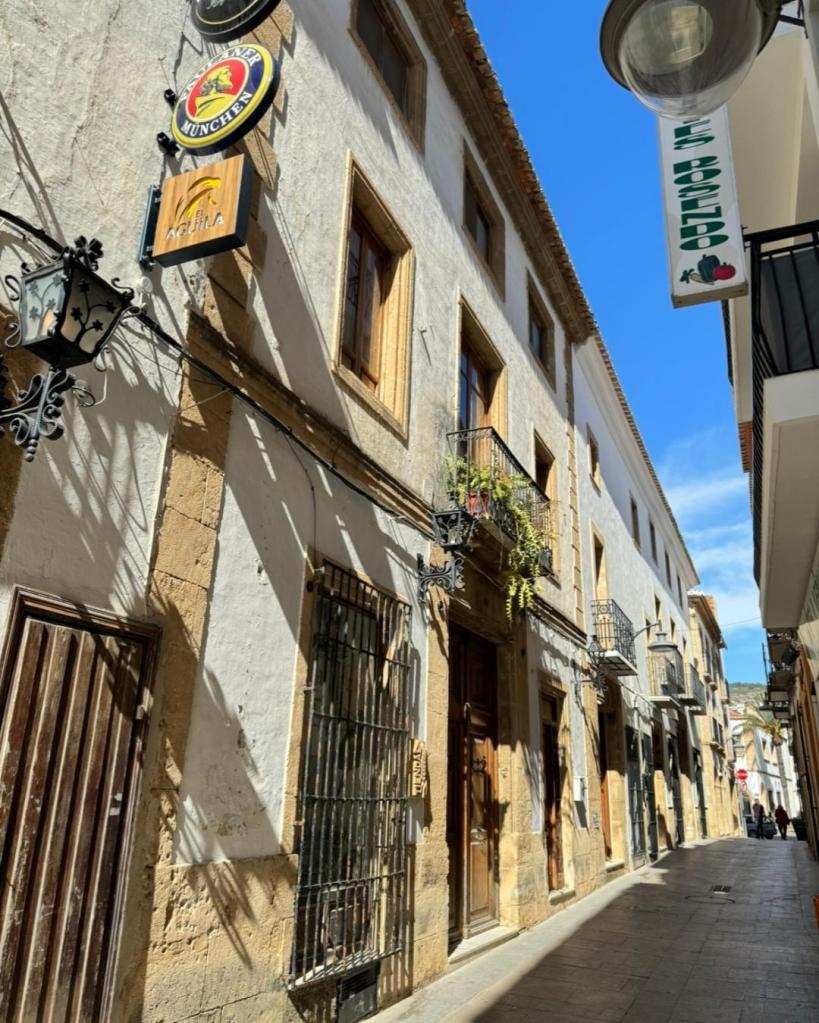
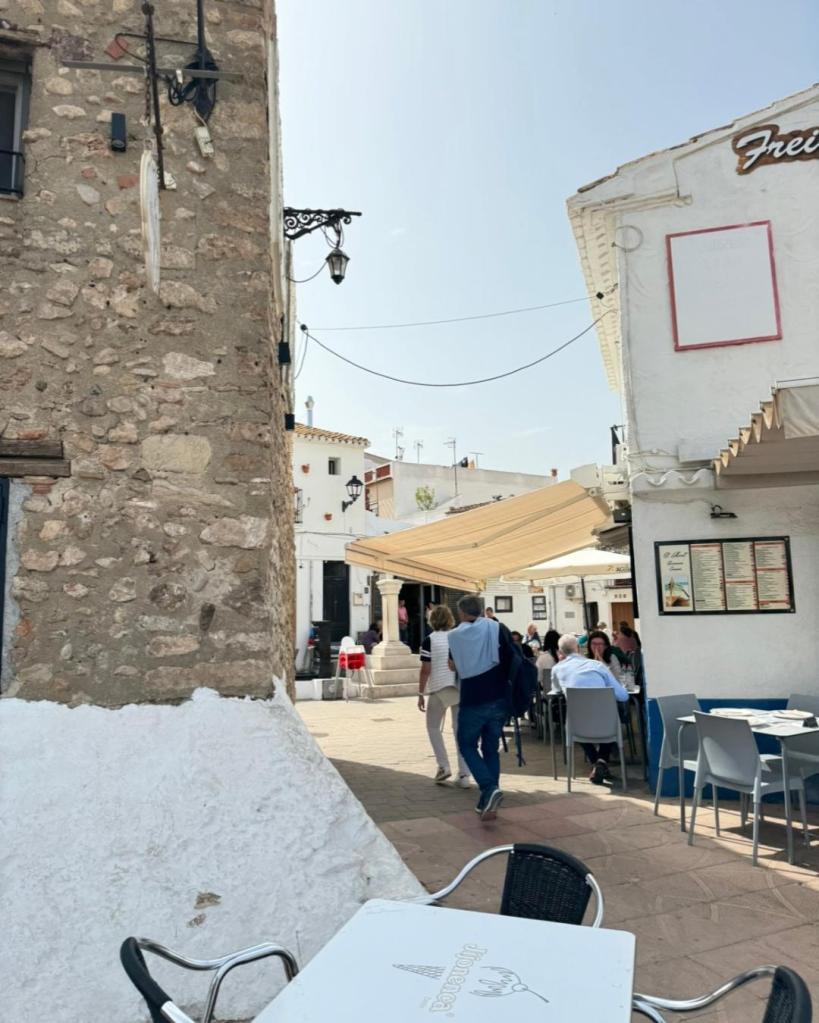
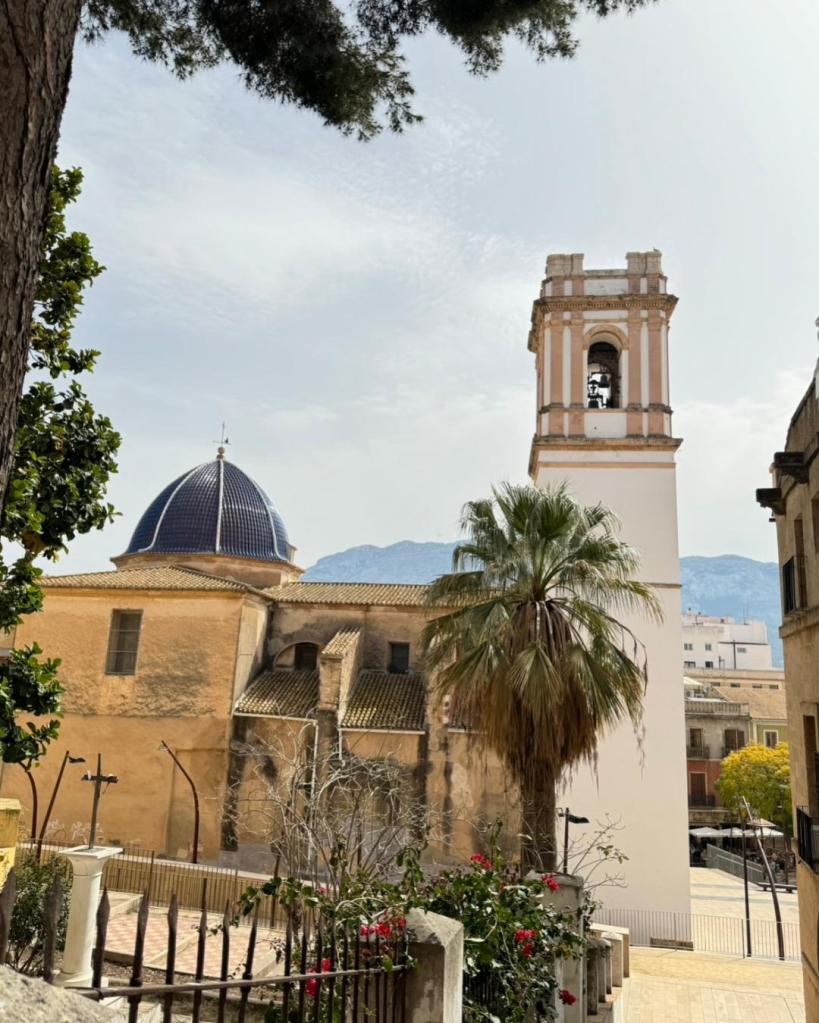
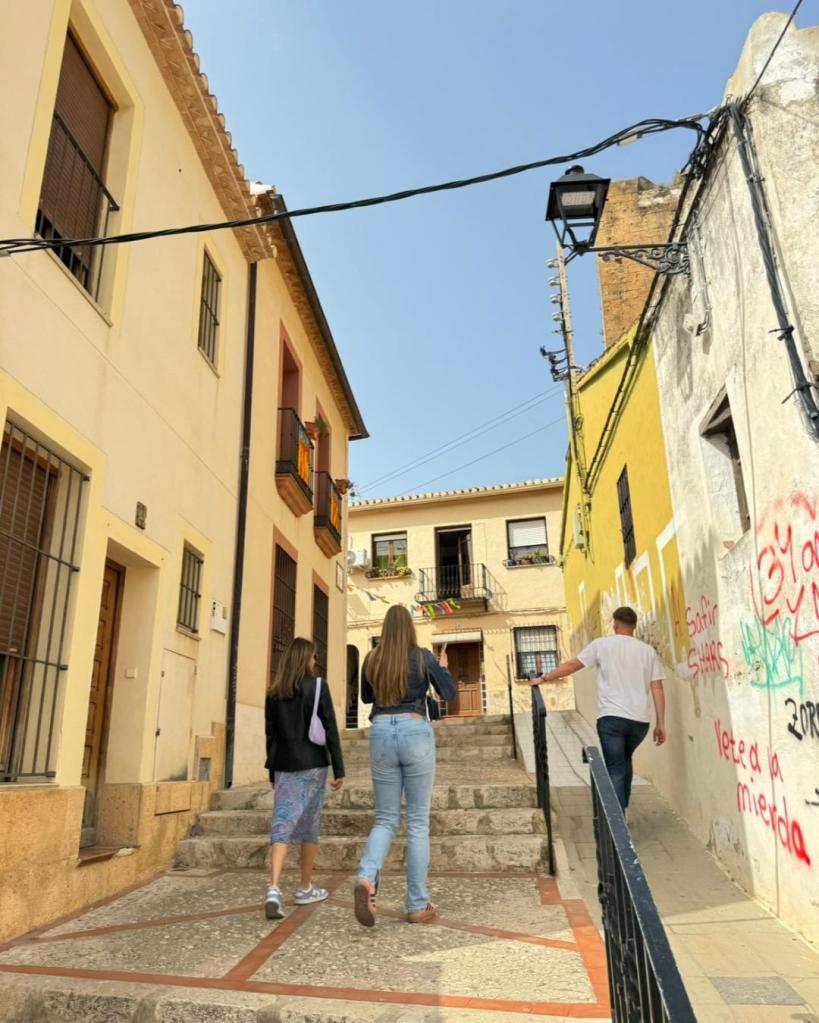
Once you’ve had the chance to explore the port, continue your journey towards the historic old town of Jávea. The tranquil, fairy-tale cobblestone streets of the old town offer a serene escape from the vibrant energy of the coast. Meander through its narrow streets, where traditional restaurants and charming cafes are nestled among enchanting architecture. At the heart of the old town stands the majestic facade of Parroquia de San Bartolomé, a proud symbol of its rich heritage. The old town also offers local, handmade artwork and boutique shops, which make it perfect for souvenir hunting and ceramic spotting.
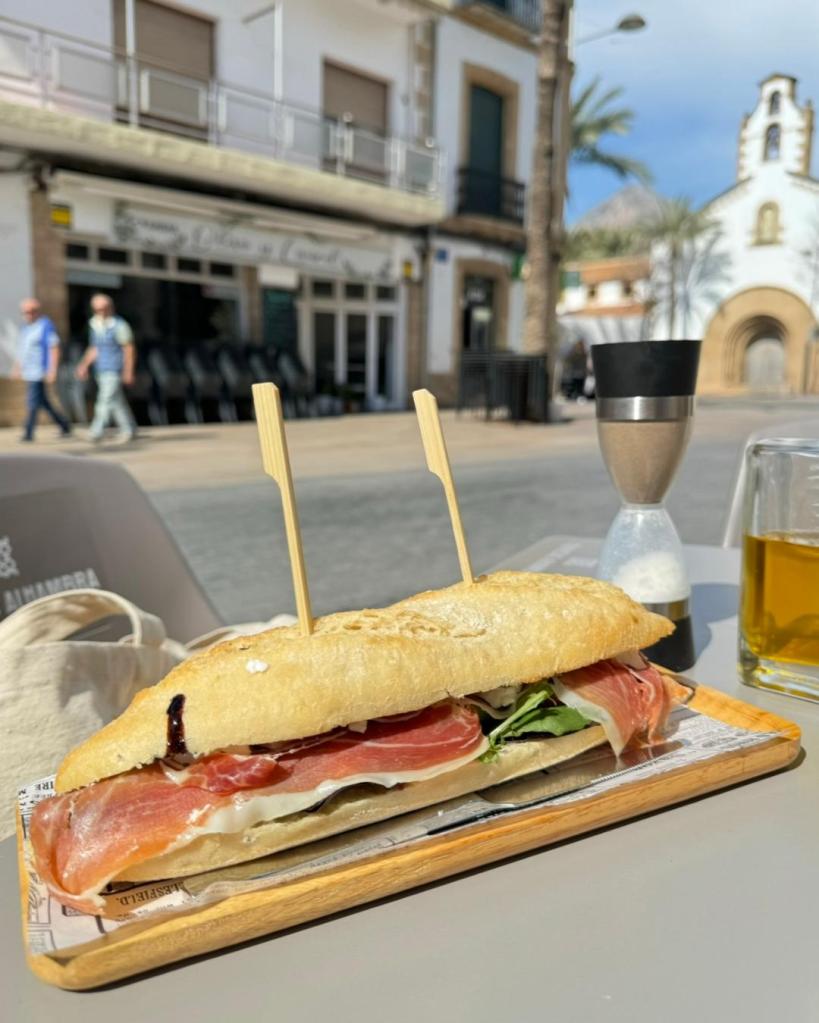
A notable spot for food is the D.T. Lounge (Dulces Tentaciones), renowned for its Montgó baguette with goat’s cheese, ham, balsamic, and avocado. Personally, I award this crusty, stuffed creation an impressive rating of 8.5/10. Situated in a peaceful square, it’s the perfect lunchtime destination. Alternatively, visit the Mercado Municipal de Jávea, a bustling farmers market where you can try Cocas and enjoy a great bite to eat. I recommend staying in the old town or heading back down to the port for evening drinks and a light bite, as you’ll be spoilt for choice!
Day 2 – Cove Climbing & Flamenco
Length of Journey: 1 hr 30 mins each way.
Difficulty: Easy – moderate
Start your day with a coffee from Nostro Cafe at the Paseo Amanecer. This local favourite is perfect for a morning bite to eat and a caffeine kick, especially in the early hours of the day. Once you’re caffeinated and ready to begin your day, head to Punta de l’Arenal, a peninsula to the left of La Bambula. Here, you’ll find locals taking an early morning dip, jumping into the crystal clear waters from the surrounding cliffs.
Your cove climbing experience will be enhanced by a delightful lunch at Cala Clemence, located in beautiful Cala de Portixol. Be sure to book in advance to secure your spot. Along the way, there’ll be plenty of opportunities to take a dip in the sea and relax in the bays, so remember to bring your bikinis, speedos, and beach towels for the ultimate experience!
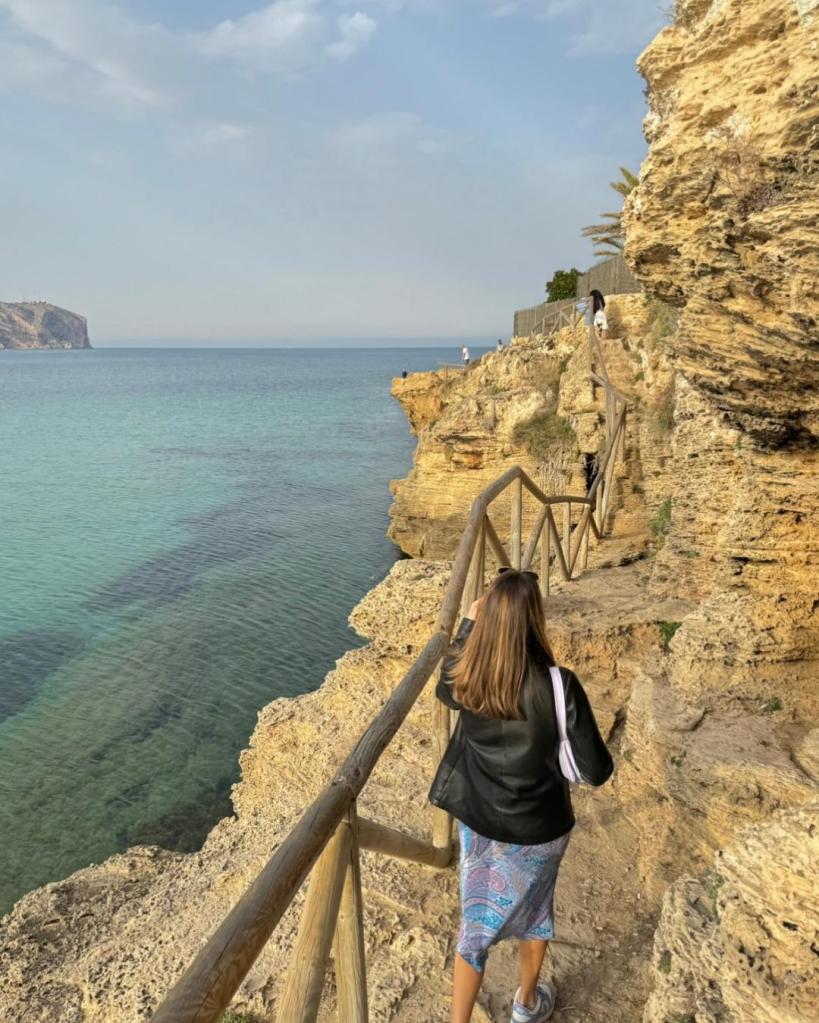
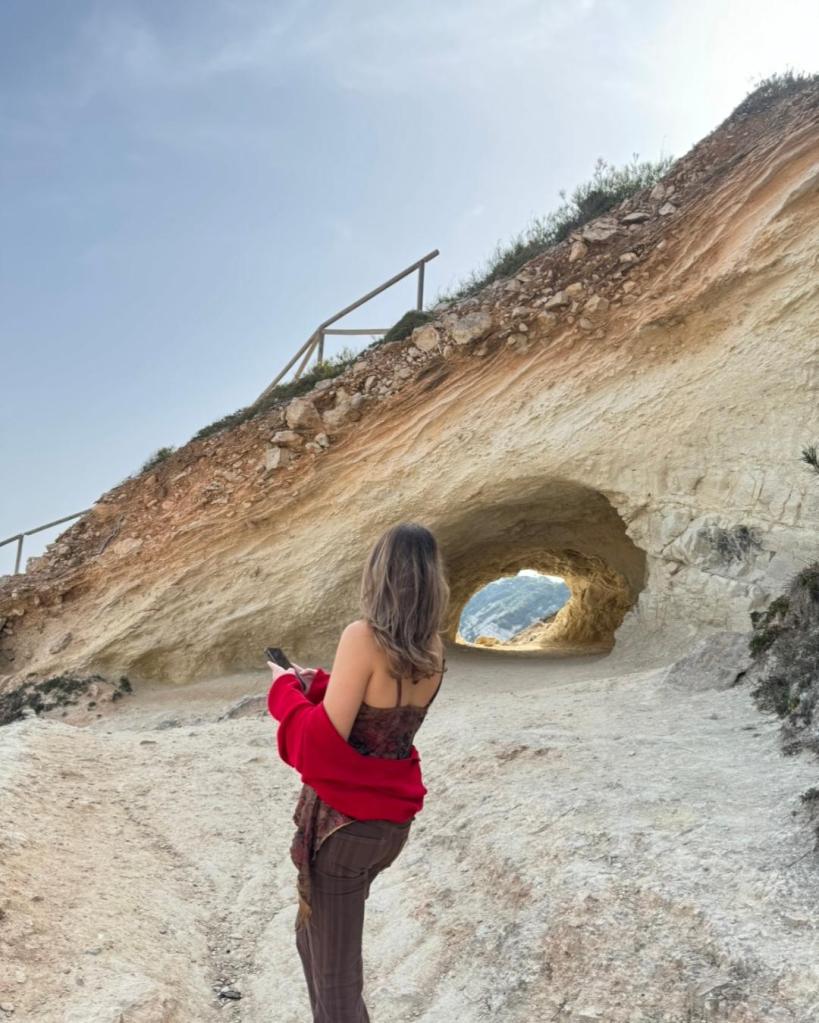
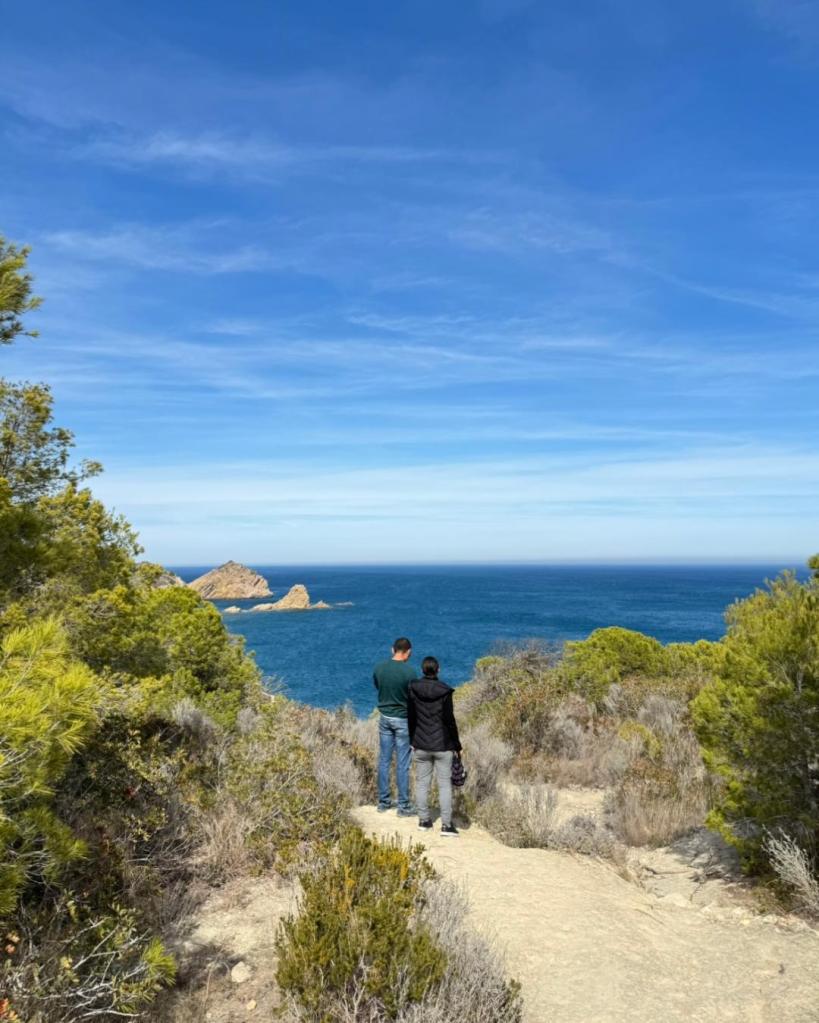
From Punta de l’Arenal, continue along the shoreline to reach Cala Blanca, one of my favourite spots from the trip. This secluded cove boasts beautiful archways and pristine waters. During our visit, my friend humorously labeled each arch as ‘Lover’s Archway’ and ‘Breakup Archway,’ advising me to only pass through the first one! Walk past the stone staircase to your right and along the shore to the wooden railed, more rustic looking walkway. From here, follow the route to Cala Blanca viewpoint for a breathtaking view of the shore below.
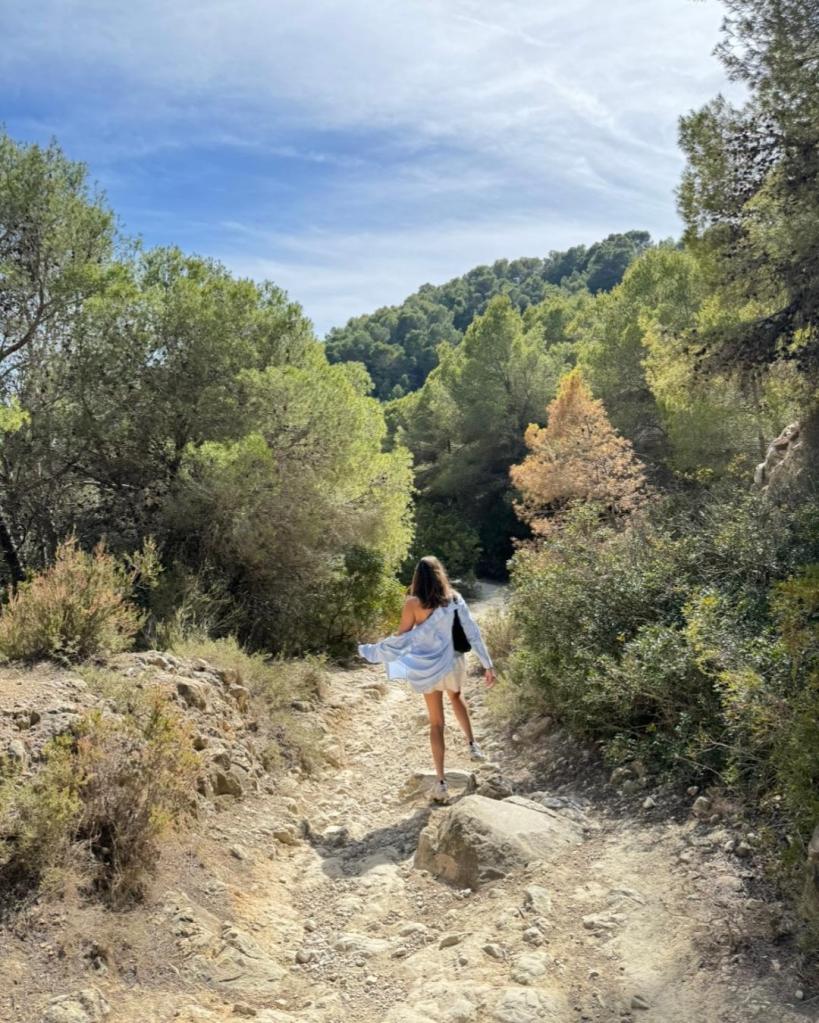
Your adventure continues as you make your way towards Xabia International College. After that, take a left turn into Carrer de L’illa, heading towards the Creu del Portixol. Following this path will lead you through off-road greenery, eventually arriving at Cala de Portixol, where you’ll be captivated by stunning views of the coastline along a rocky track weaving between the trees. As you reach your destination, you’ll feel as though you’ve stepped onto the set of Mamma Mia, greeted by chalky white buildings and dazzling blue arched doors.
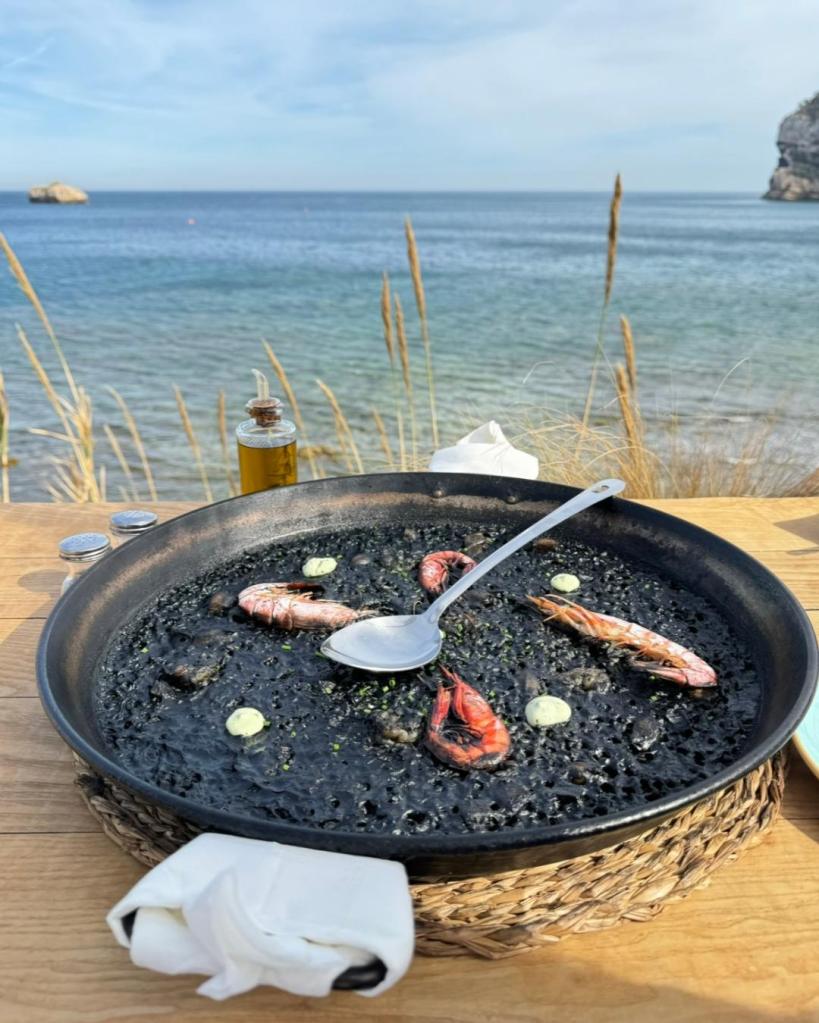
Perched high above the shore, you’ll easily spot Cala Clemence, a highly recommended restaurant renowned for its signature dish, Arroz Negro (black rice). This popular spot exudes a fantastic atmosphere, featuring splendid views, lively crowds, live music, and, of course, delicious food! We indulged in the black rice for two, priced at €25 each, and it was a divine experience – we rated it 7/10. The overall experience is well worth the journey, and the alioli was a highlight I’d happily hike again for!
Once you have returned from your hike, full bellied and bronzed, an evening of cocktails and flamenco awaits you on Paseo Amanecer. La Bambula is the most popular spot for enjoying flamenco, which takes place on Sundays from 5pm. This beautifully lit spot is one of the most enchanting locations along Paseo Amanecer and comes highly recommended throughout the week for its delightful cocktails and live music. Other popular spots for drinks and tapas include La Siesta, Chabada and Socco for later in the evening.




Day 3 – Half Day in Dénia
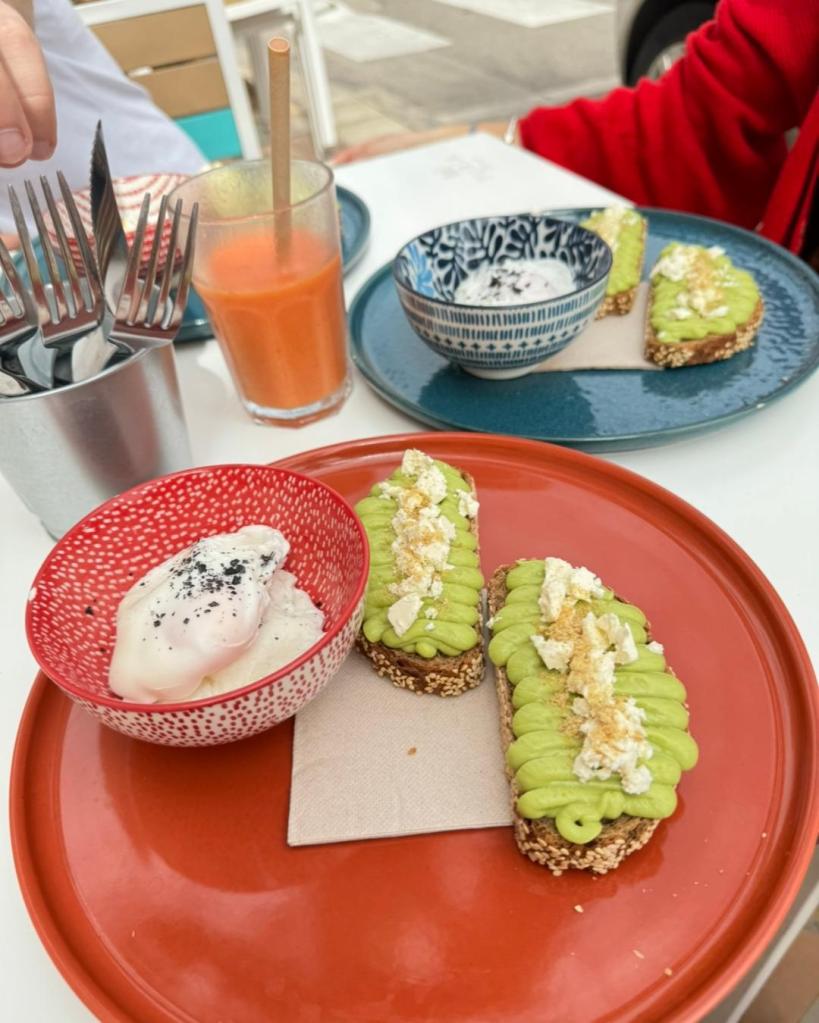
On the morning of your last day, kick things off with a game of padel tennis at Paris 24. This century-old sport, widely enjoyed in Spanish towns, involves using small rackets to play over a low net. As padel can be quite intensive, similar to tennis, I recommend heading there early to avoid the heat of the sun. After an exhilarating game, take a refreshing morning dip in the club’s pool. Then, head to Woody’s next door to enjoy a healthy breakfast/brunch. We all ordered smashed avocado toast with poached eggs and feta. If you’re feeling extra indulgent, I recommend the Choco Bomb shake – overall rating 7/10.
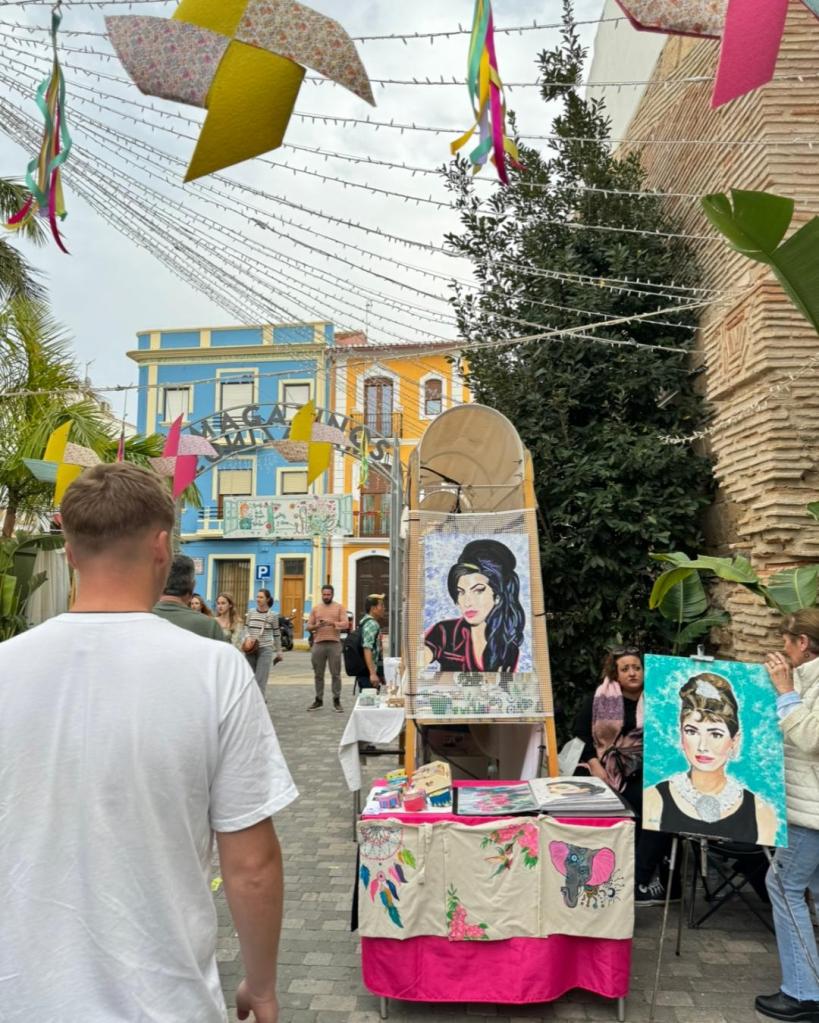
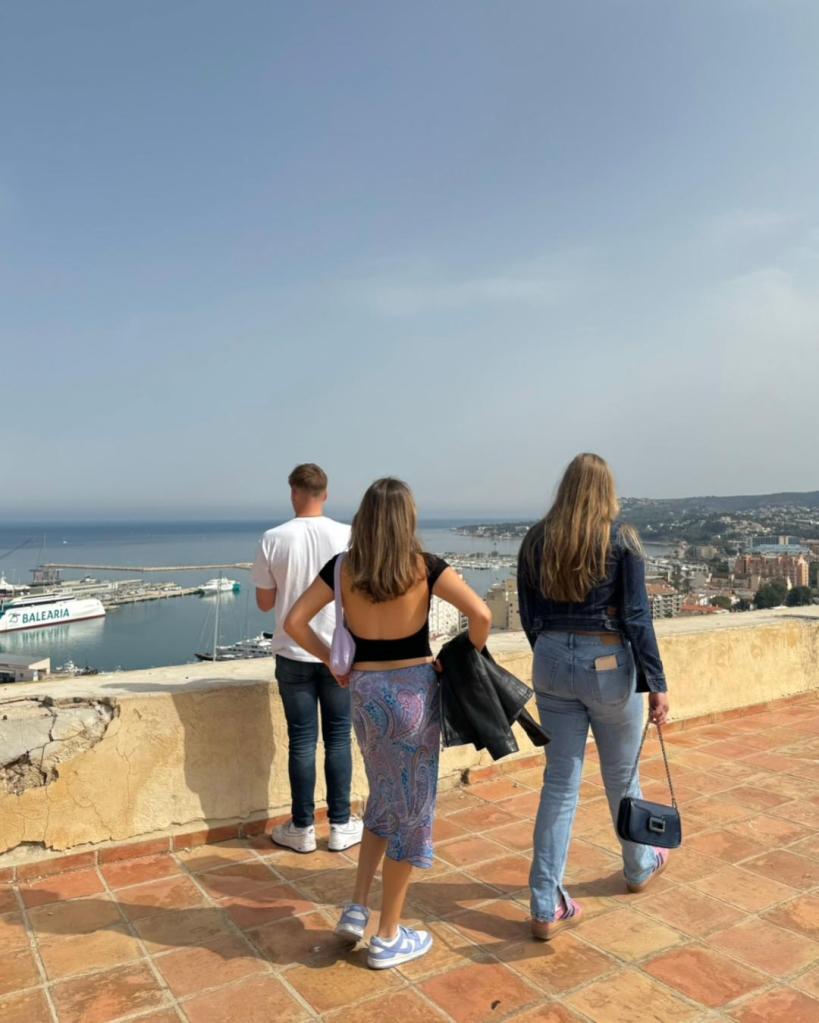
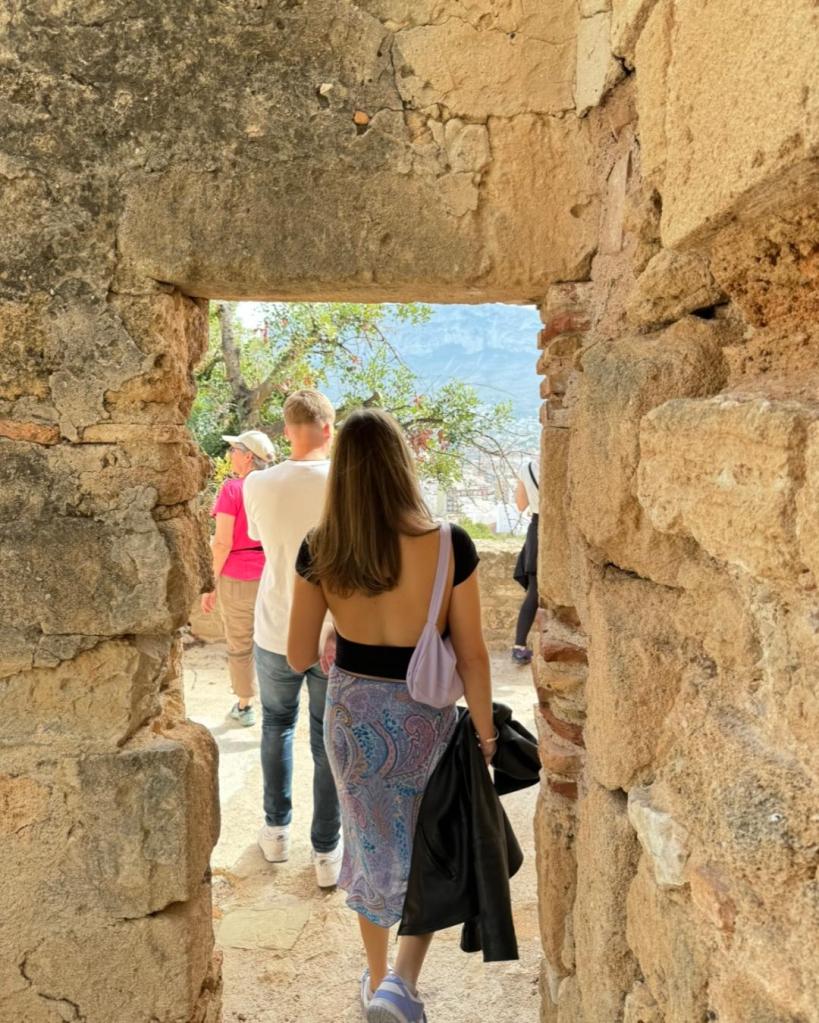
After an invigorating morning, take a taxi to the other side of the Montgó mountain. Just a 20-minute drive from Jávea, you’ll find the coastal fishing port of Dénia. This charming town hosts an array of market stalls along the beachfront, numerous restaurants scattered through its hilly streets, historic architecture, and panoramic views from the Castle of Dénia (entry fee: €3). Despite its small size, the town is bursting with life and culture. It is the site of many fiestas and celebrations, including the aforementioned Fallas festival, as well as the Bous a la Mar (“Bulls at the Sea”), which takes place in July.
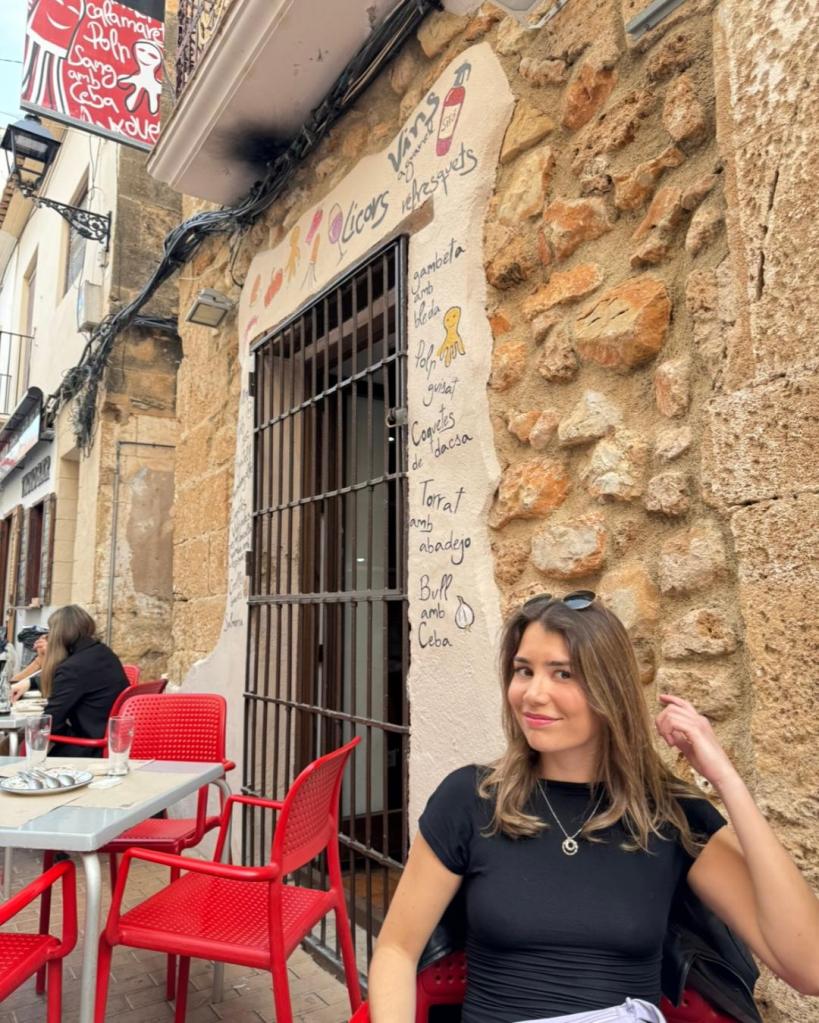
For my fellow foodies out there, this town is a haven for tapas and regional treats. One exciting event to mark on your calendars is the Guiame Tapas Route, scheduled from the 8th of February to the 10th of March. During this time, 43 local bars serve up a tempting tapas dish with a beer or wine for just €4, presenting the perfect opportunity to trial and taste local culinary wonders. Whether it’s the seafood eateries along the beachfront, the enticing street food at the Magazinos market, or the charming bars and restaurants along bustling Carrer Loreto, there’s something to delight every palate.

Thank you for reading Calendar Girl Blog! For more travel plans made easy, make sure to subscribe to my blog and head to my socials linked below:
 Calendar Girl